

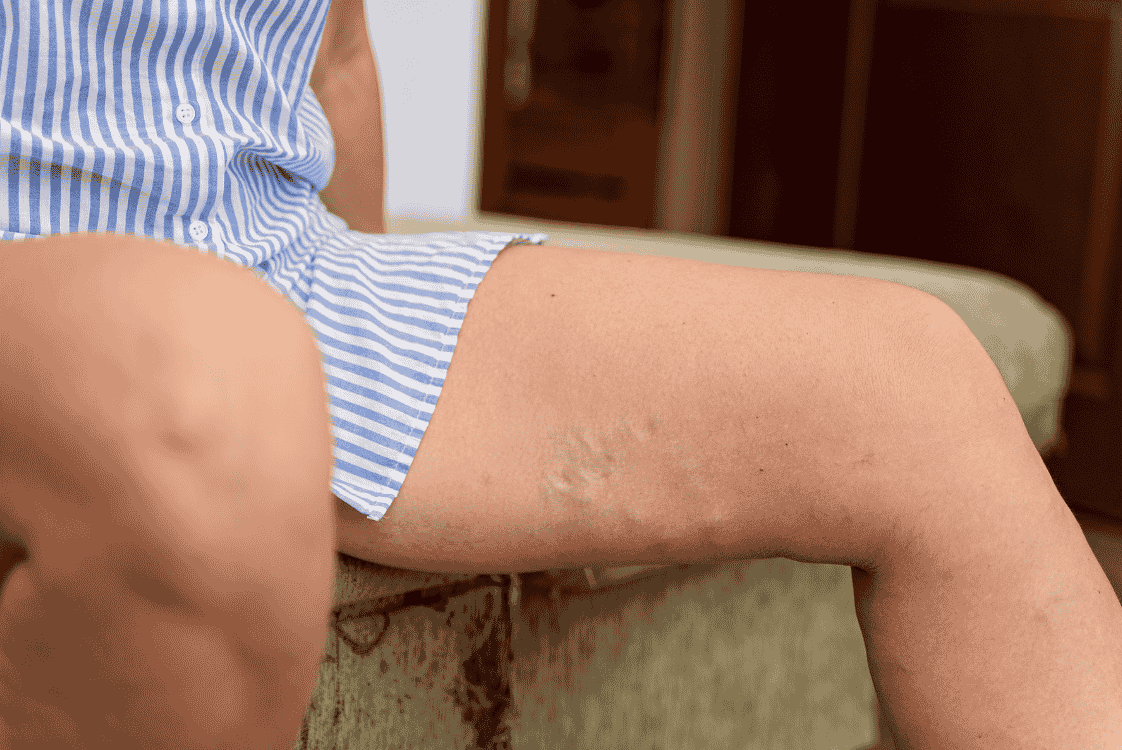

Modern vascular care is no longer about choosing surgery first as the only option. We can treat the condition effectively while minimising recovery time and risk whenever possible. With early assessment and advanced imaging, many patients can benefit from minimally invasive solutions instead of open surgery.
Varicose Veins Treatment: Vascular Surgery vs. Minimally Invasive Procedures
When patients are told they may need treatment for a vascular condition, one of the first questions they ask is: “Do I need surgery?”
Today, many vascular conditions can be treated using minimally invasive procedures, often avoiding traditional open surgery altogether. However, vascular surgery still plays a critical role in certain cases. Understanding the difference between these two approaches can help patients feel more confident and informed when discussing treatment options with their specialist.
Varicose veins are one of the most common vascular conditions, affecting many adults over time. Fortunately, patients now have a range of treatment options, from traditional surgery to minimally invasive procedures, depending on the severity and location of the veins. Understanding how these approaches differ, including their techniques, recovery times, and suitability for different cases, can help patients feel more confident when deciding on the best treatment for their vein health.
Common Questions About Varicose Vein Surgery and Minimally Invasive Treatment
Do all varicose veins require surgery?
No. Many people with varicose veins can be treated using minimally invasive procedures rather than traditional surgery. The most appropriate treatment depends on the severity of the vein disease, ultrasound findings, symptoms and your overall health.
What is the difference between vascular surgery and minimally invasive treatment?
Traditional varicose vein surgery involves removing or tying off affected veins through surgical incisions. Minimally invasive treatments use image-guided techniques, such as a catheter or small needle, to close or treat abnormal veins with less disruption to surrounding tissue. Your specialist will recommend the approach best suited to your condition.
Which treatment is better for varicose veins?
There is no single treatment that is best for everyone. Factors such as the size and location of the affected veins, the presence of chronic venous insufficiency, previous treatments and your individual health all influence the most appropriate management plan.
Can minimally invasive treatment help with spider veins?
Spider veins and varicose veins are related but different conditions. Spider veins may sometimes be treated using sclerotherapy or other minimally invasive techniques, while larger varicose veins often require treatment of the underlying vein disease before cosmetic concerns are addressed.
How is the best treatment for varicose veins determined?
A vascular specialist will usually perform a duplex ultrasound examination to assess blood flow and identify the underlying cause of your symptoms. This evaluation helps determine whether minimally invasive treatment, surgery or ongoing monitoring is the most appropriate option.
What Is Vascular Surgery?
Traditional varicose vein surgery refers to open surgical procedures used to remove or tie off diseased veins. These procedures involve making small but direct incisions to access and treat the affected veins.
Surgery may be recommended for cases such as:
Severe or extensive varicose veins that cannot be effectively treated with minimally invasive methods
Large veins causing significant symptoms, such as pain, swelling, or skin changes
Veins that have developed complications, like ulcers or blood clots
While effective, traditional varicose vein surgery typically involves:
A longer recovery period compared to minimally invasive options
General or regional anesthesia
Temporary restrictions on physical activity until healing is complete
What Are Minimally Invasive Vascular Procedures?
Minimally invasive vascular procedures, also known as endovascular or catheter-based treatments, are performed through small punctures rather than large incisions. Minimally invasive treatments for varicose and spider veins are performed through small punctures rather than large incisions. Using advanced imaging and specialized catheters, vein specialists in Singapore can precisely target the affected veins and treat them from within, often without the need for traditional surgery.
Common minimally invasive options include:
Endovenous laser therapy (EVLT) – uses laser energy to close off larger varicose veins
Radiofrequency ablation (RFA) – heats and seals the diseased vein
Foam or liquid sclerotherapy – injects a solution to collapse smaller varicose veins or spider veins
Microphlebectomy – removes larger veins through tiny punctures for cosmetic or symptomatic relief
These minimally invasive treatments typically offer:
Shorter recovery times compared to traditional surgery
Minimal scarring and bruising
Less discomfort during and after the procedure
Faster return to daily activities, often within a day or two
Key Differences at a Glance
Vascular surgery and minimally invasive procedures differ in several important ways. Traditional vascular surgery involves larger surgical incisions and usually requires general anesthesia, with a longer hospital stay and recovery period. In contrast, minimally invasive procedures use small puncture sites, often performed under local anesthesia or light sedation, allowing for a faster recovery, sometimes even the same day. While vascular surgery is generally recommended for complex or advanced disease, minimally invasive techniques are often suitable for early to moderate conditions, as well as certain emergencies.
When it comes to treating varicose veins, traditional surgery and minimally invasive procedures have distinct differences. Surgical treatments, such as vein stripping, involve larger incisions and usually require general anesthesia, with a longer recovery period. Minimally invasive options, like endovenous laser therapy (EVLT), radiofrequency ablation (RFA), or foam sclerotherapy, use small punctures, are often performed under local anesthesia, and typically allow patients to resume normal activities much sooner. While surgery may be recommended for severe or complex varicose veins, minimally invasive treatments are effective for most cases, offering less discomfort, minimal scarring, and faster recovery.
Which Option Is Right for You?
The choice between vascular surgery and minimally invasive treatment depends on several factors, including:
The type and severity of the vascular condition
Overall health and medical history
Vascular anatomy seen on imaging
Urgency of treatment
Many patients are surprised to learn that early diagnosis often allows for minimally invasive treatment, while delayed care may eventually require surgery.
Why Early Evaluation Matters
Vascular diseases are often progressive. What may begin as mild symptoms, such as leg pain, swelling, or numbness, can worsen over time if left untreated.
Early evaluation allows specialists to:
Detect vascular problems before complications develop
Offer less invasive treatment options
Improve long-term outcomes
When to Consider a Vascular Specialist Assessment
Varicose veins are often more than a cosmetic concern. Persistent symptoms may indicate underlying venous disease that can benefit from specialist evaluation and personalised treatment planning.
Consider seeking a specialist assessment if you:
- Experience aching, heaviness, swelling or tiredness in your legs that affects your daily activities
- Notice visible varicose veins that are increasing in size or becoming more uncomfortable
- Develop skin changes, eczema, discolouration or ulcers around the ankles
- Have recurrent varicose veins following previous treatment
- Have been advised to undergo surgery and would like to understand whether minimally invasive treatment may be an appropriate alternative
- Would like a second opinion about the most suitable treatment for your vein condition
A specialist consultation includes reviewing your symptoms, medical history and duplex ultrasound findings to identify the underlying cause of your vein disease and recommend a personalised treatment plan.
Not Sure Which Treatment You Need? Start With an Evaluation With Our Specialized Varicose Veins Clinic in Singapore
If you’ve been diagnosed with a vascular condition, or are experiencing symptoms such as leg pain, swelling, or circulation issues, an early consultation can help determine whether minimally invasive treatment is possible. Book a consultation with Dr. Manish to explore the safest and most effective treatment options for your condition.

Read More About Vein Diseases Treatments on Our Blog
To dive deeper into the types of vascular treatments, head over to our clinic’s blog. Read our recommended venous diseases related blog posts to stay informed. Watch our helpful videos to learn more:
Varicose Veins Resources
Explore our varicose veins and spider veins resources for patients. Gain insight into the diagnosis and treatment of varicose and spider veins conditions, their underlying causes, symptoms, and complications. Connect with your vascular health


Keep Varicose Veins and Spider Veins at Bay
If your legs feel sore persistently, achy when standing long periods, or maybe you notice blue or purple veins even bulging in the area, chances are these symptoms of varicose veins and spider veins could lead to other serious venous diseases such as Deep Vein Thrombosis (DVT), Chronic Venous Insufficiency (CVI), or Leg Swelling due to increased pressure forming larger blood clots over time. Varicose veins are fully treatable with minimally invasive procedures and treatments offering minimal downtime and quick recovery preventing further complications. Long term effects of untreated varicose veins can hinder your daily life and impact your health.
The Supreme Vascular and Interventional Clinic in Singapore is here to diagnose and treat varicose veins smoothening patients’ experience to find relief and comfort. As a vascular and interventional radiology specialist based in Singapore, Dr. Manish Taneja looks after a spectrum of venous diseases, peripheral vascular malformations, and peripheral arterial disease. Dr. Manish Taneja also has extensive experience in performing all vascular interventions, non-vascular interventions and interventional oncology procedures.
Venous Diseases Treatments


The Supreme Vascular and Interventional Clinic is your "go-to" facility for various vascular conditions and pain management. To arrange an appointment with Dr. Manish Taneja, our spider veins and varicose veins specialist, contact us. You can also call us at (+65) 6904 8084 for a consultation.