

Act Fast When a Brain Stem Stroke is Suspected
Receive expert care for brain stem stroke at our specialized stroke clinic in Singapore. Our dedicated stroke specialist, Dr. Manish Taneja, offers advanced diagnostics, personalized treatment plans, and comprehensive rehabilitation to enhance recovery and improve quality of life.
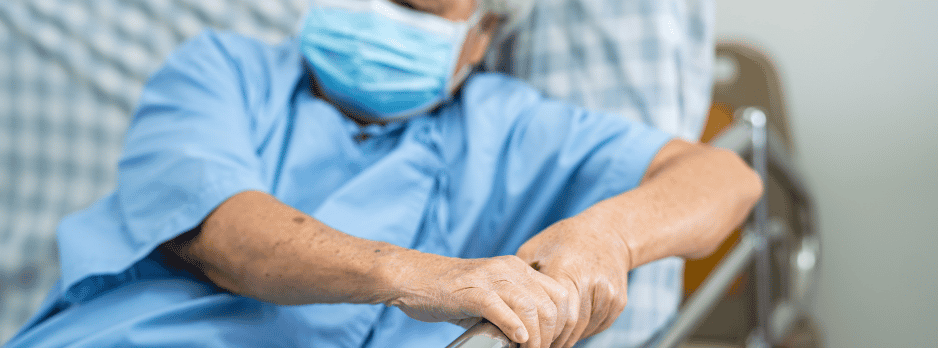
What Is Brain Stem Stroke?
A brain stem stroke or a brain stem infarction is a stroke that occurs in the brain stem. Blood flow is blocked at the base of the brain. The blockage and stroke can cause damage to the brain stem and other parts of the brain. The damage is caused by a lack of blood flow to the brain stem and other regions. If the brain stem stroke is severe enough, it can lead to locked-in syndrome, where the survivors are only able to move their eyes.
Overview of Brain Stem Stroke
The brain stem sits at the base of the brain, and this small, only half-inch-in diameter area controls the body's central nervous system, including breathing, blood pressure, and consciousness. Motor control functions flow through the brain stem. During a brain stem stroke, any of these functions can be damaged.
The symptoms of a brain stem stroke vary, and it can be challenging to diagnose. If you suspect a stroke of any type, early intervention helps promote a better outcome.
Symptoms of Brain Stem Stroke
Brain stem strokes tend to have atypical symptoms, making them more challenging to diagnose. The most common sign of a stroke is weakness on one side of the body, but it might not appear with a brain stem stroke. Instead, dizziness or vertigo might be the only symptom. Here are the most common symptoms:
- Dizziness
- Vertigo
- Extreme unbalance
- Slurred speech
- Double vision
- Decreased consciousness
Seek immediate treatment if any of these symptoms appear.
Risk Factors of Brain Stem Stroke
While the symptoms of brain stem strokes can vary from other forms, many of the same risk factors apply. These include:
- Smoking
- Diabetes
- Heart disease
- High blood pressure
- Atrial fibrillation
- Blood clot
- Hemorrhaging
- Injured artery
If you have any of these risk factors, depending on which ones, you can make changes. These risk factors can help you seek treatment more quickly if symptoms appear.
Causes of Brain Stem Stroke
Brain stem strokes are caused when blood flow to a part of the brain stem is cut off. The blood flow is affected by either a blockage in the artery or a bleeding in the artery. With brain stem strokes, if the cause is a blood clot, quick intervention can give the patient better odds of recovery and reclaiming their old lives.
Diagnosis of Brain Stem Stroke
It can be tricky to diagnose a brain stem stroke because of the atypical symptoms. However, standard diagnosis techniques include:
- Medical history and family history
- Physical examine
- Neurological exam
- CT scan
- MRI
- Angiograms
- Doppler ultrasounds
- Electrocardiogram (ECG) or echocardiogram
- Blood tests for clotting
A doctor makes the final determination based on these tests and symptoms.
Brain Stem Stroke Treatment & Prevention in Singapore
Brain stem strokes require fast treatment of either medication or surgery to repair the blood vessels or minimize brain swelling. Commonly used medications are antiplatelet medications, such as Clopidogrel (Plavix). However, brain stem strokes are the most fatal form of strokes, so concentrate on prevention.
Preventing a brain stem stroke includes keeping health problems under control. Also, avoid smoking, vaping, and drug use. It's essential to eat right and exercise regularly.
Brain Stem Stroke Recovery
With mild to moderate brain stem strokes, a patient can recover with therapy. The good news is that this type of stroke doesn't affect the person's language ability. A few weeks after the stroke, you should see the lessening and end of symptoms, such as blurred vision and feelings of vertigo.
The Supreme Vascular and Interventional Clinic: Your Partner in the Treatment and Recovery of Brain Stem Stroke
The Supreme Vascular and Interventional Clinic in Singapore offers a host of treatments and services if you suspect you or a loved one is a prime candidate for a brain stem stroke. Our stroke specialist provides compassion and support throughout your visits to our clinic, surgeries, and beyond. Contact us today.
Consult a Stroke Specialist in Singapore
Dr. Manish Taneja, is an expert in endovascular and image guided neurointerventional procedures of brain and spine. He has special interest in treatment of brain aneurysms, stroke and vascular malformations. Come in for a further evaluation and arrange an appointment today with our stroke specialist.

Stroke Resources


Stroke Prevention Tips: How to Avoid High Cholesterol
Controllable risk factors are lifestyle choices that can be changed to reduce the risk of having a stroke including managing your cholesterol.

We’ve Got You Covered for Specialized Stroke Screening, Prevention, and Management
Imagine heart attacks where the blood flow to your heart is blocked. Similarly, a stroke occurs when the blood flow to your brain is interrupted becoming a “brain attack”, affecting a blood vessel and surrounding brain function. When blood supply does not reach a certain part, brain cells begin to die. Different types of stroke include ischemic strokes or a mini stroke, a TIA (transient ischemic attack). Common risk factors include high blood pressure, which increases strain on the blood vessel and raises the likelihood of a stroke. Symptoms can vary, but may include difficulty in speaking and other changes depending on how blood flow is affected. Understanding risk factors and acting early can make a difference. It’s important to work closely with a specialist to monitor your health and reduce stroke risk.
Brain Aneurysm Resources
Explore our brain aneurysm resources. Understanding a brain aneurysm often involves learning across several areas.


Put Brain Aneurysm on Your Health Radar
Did you experience the worst headache of your life? Thoughts could be racing through your mind. A brain aneurysm is a weak spot in a blood vessel in the brain that can change over time. The key concern is when an aneurysm ruptures, which can disrupt blood flow, affect brain tissue, and lead to serious brain damage. Controllable conditions like high blood pressure can increase this risk and treatment options can depend on the condition. Surgical clipping is one option that prevents blood from entering the weakened area. In many cases, minimally invasive treatments can also be used to restore normal blood flow and reduce risk. We have created structured guides to help you explore each stage in more detail:
A simple (computed tomography) CT scan could be just what the doctor ordered and the first step in early detection and prevention of a brain aneurysm. Come in for an easy consultation with our brain aneurysm specialist in Singapore to be on your health radar.
Other Health Conditions


The Supreme Vascular and Interventional Clinic is your “go-to” facility for various neurological conditions and treatments. To arrange an appointment with Dr. Manish Taneja, our neurointervention specialist, contact us. You can also call us at (+65) 6904 8084 for a consultation.