

Know How to Read and Understand Blood Pressure Numbers
Learn how to read and understand blood pressure numbers with guidance from Dr. Manish Taneja at Supreme Vascular and Interventional Clinic. Discover the importance of monitoring blood pressure for your health and what your readings mean for your well-being.
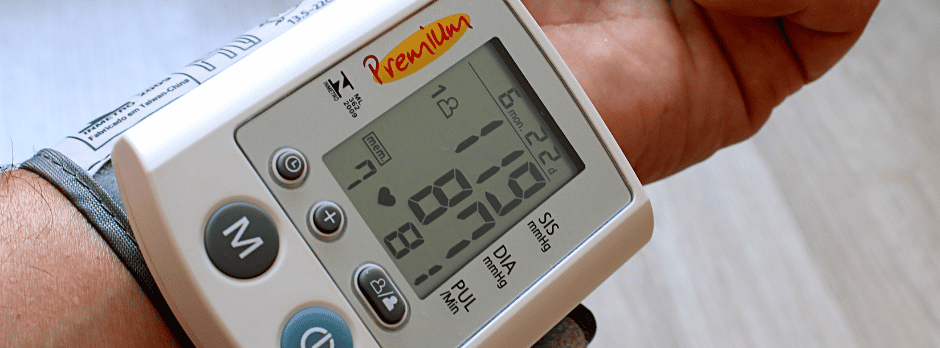
Understanding Blood Pressure Readings: A Comprehensive Guide
During your annual physical, the doctor reads your blood pressure. "Your blood pressure is slightly elevated," he says, "It's 129 over 79." What does that mean, and what should you do about it?
This article is part of our guide to understanding the role of blood pressure in brain aneurysm risk. For a complete overview, you might also be interested to visit, Understanding Brain Aneurysm and High Blood Pressure.
Definition of Blood Pressure
According to the Cleveland Clinic, blood pressure is "the amount of force your blood uses to get through your arteries." In other words, blood pressure is force of blood on the blood vessel walls inside your arteries. Your heart beats 60 to 100 times per minute, 24 hours a day, and your arteries deliver oxygen and nutrients throughout your body.
Blood pressure is a crucial indicator of overall health. The numbers explained below, measure the force of blood against artery walls as your heart pumps. Understanding blood pressure readings is key to managing vascular health and preventing serious conditions like heart attacks and strokes.
Blood Pressure Readings-Systolic and Diastolic
Blood pressure readings consist of systolic and diastolic measurements. Each reading is measured in terms of how many millimeters of mercury (mmHg) your blood pressure can push. (Medical workers first used blood pressure instruments that contained mercury.) In blood pressure instruments, mercury is a liquid metal used to measure blood pressure accurately. When the cuff around your arm is inflated and then slowly deflated, the mercury column rises and falls, showing your blood pressure readings.
Systolic Pressure
Systolic pressure is the first and higher number in a blood pressure reading. It measures the force exerted on artery walls when your heart contracts during a heartbeat. An optimal systolic reading is below 120 mmHg.
Diastolic Pressure
Diastolic pressure is the second and lower number. It reflects the pressure in your arteries when your heart rests between beats. A healthy diastolic reading is below 80 mmHg.
Blood Pressure Ranges And Measuring Methods
A healthy/normal blood pressure reading is consistently below 120/80 mmHg. Achieve this reading through a balanced diet, regular exercise, and stress management.
An unhealthy blood pressure reading falls into 4 categories of ascending seriousness:
- Elevated: Systolic 120–129 and diastolic less than 80. Your physician will recommend lifestyle modifications. (Reducing salt intake, regular, and stress management.)
- Hypertension Stage 1: Systolic 130–139 or diastolic 80–89. Your physician will monitor you closely and consider prescribing medication. (ACE inhibitors, beta-blockers, and diuretics)
- Hypertension Stage 2: Systolic 140 or higher or diastolic 90 or higher. Medical intervention may be required.
- Hypertensive Crisis: Blood pressure readings higher than 180/120. This will require immediate medical attention.
Blood pressure is measured using the following methods/devices:
- Manual Devices, such as the cuff and stethoscope.
- Automatic Digital Monitors, are typically over 90+ percent accurate and convenient for home use.
- Ambulatory Blood Pressure Monitors, which track readings over 24 hours for more accurate assessments.
Why Blood Pressure Matters
Hypertension, or high blood pressure, significantly increases the risk of the following:
- heart disease
- stroke
- brain aneurysms
- varicose veins
A "silent killer," hypertension often shows no symptoms, but causes severe health issues over time. Hypotension or low blood pressure can also cause problems like dizziness and fainting. In severe cases, it may lead to reduced blood flow to vital organs, posing serious health risks.
Manage Blood Pressure with Supreme Vascular and Interventional Clinic in Singapore
If you want to maintain good vascular health, understand your blood pressure readings and do what is necessary to maintain them within a healthy range. If you're experiencing high or low blood pressure, consult with a vascular specialist. Again, as demonstrated above, managing your blood pressure effectively can prevent serious health complications and improve your overall well-being.
If you're concerned about your blood pressure and need expert advice on managing it, fill in and submit your contact information and inquiry details on our contact us page. Our specialist, Dr. Manish Taneja, at Supreme Vascular in Singapore is here to help you maintain optimal vascular health.
We Support Your Brain Health at Supreme Vascular and Interventional Clinic
By working with an experienced stroke specialist in Singapore, you can decrease your risk of a stroke and manage potential risk factors more effectively. Reach out to the Supreme Vascular and Interventional Clinic to connect with our specialized stroke clinic and Dr. Manish Taneja. We handle various stroke conditions and treatments and will work closely with you and your loved ones to create a tailored plan.
Consult a Stroke Specialist in Singapore
Dr. Manish Taneja, is an expert in endovascular and image guided neurointerventional procedures of brain and spine. It's important to find a stroke specialist and doctor you can trust in Singapore. He has special interest in treatment of brain aneurysms, stroke and vascular malformations. Come in for a further evaluation. Arrange an appointment with Dr. Manish Taneja, our stroke specialist.

Stroke Resources


Stroke Prevention Tips: How to Avoid High Cholesterol
Controllable risk factors are lifestyle choices that can be changed to reduce the risk of having a stroke including managing your cholesterol.

We’ve Got You Covered for Specialized Stroke Screening, Prevention, and Management
Imagine heart attacks where the blood flow to your heart is blocked. Similarly, a stroke occurs when the blood flow to your brain is interrupted becoming a “brain attack”, affecting a blood vessel and surrounding brain function. When blood supply does not reach a certain part, brain cells begin to die. Different types of stroke include ischemic strokes or a mini stroke, a TIA (transient ischemic attack). Common risk factors include high blood pressure, which increases strain on the blood vessel and raises the likelihood of a stroke. Symptoms can vary, but may include difficulty in speaking and other changes depending on how blood flow is affected. Understanding risk factors and acting early can make a difference. It’s important to work closely with a specialist to monitor your health and reduce stroke risk.
Brain Aneurysm Resources
Explore our brain aneurysm resources. Understanding a brain aneurysm often involves learning across several areas.


Put Brain Aneurysm on Your Health Radar
Did you experience the worst headache of your life? Thoughts could be racing through your mind. A brain aneurysm is a weak spot in a blood vessel in the brain that can change over time. The key concern is when an aneurysm ruptures, which can disrupt blood flow, affect brain tissue, and lead to serious brain damage. Controllable conditions like high blood pressure can increase this risk and treatment options can depend on the condition. Surgical clipping is one option that prevents blood from entering the weakened area. In many cases, minimally invasive treatments can also be used to restore normal blood flow and reduce risk. We have created structured guides to help you explore each stage in more detail:
A simple (computed tomography) CT scan could be just what the doctor ordered and the first step in early detection and prevention of a brain aneurysm. Come in for an easy consultation with our brain aneurysm specialist in Singapore to be on your health radar.
Other Health Conditions


The Supreme Vascular and Interventional Clinic is your “go-to” facility for various neurological conditions and treatments. To arrange an appointment with Dr. Manish Taneja, our neurointervention specialist, contact us. You can also call us at (+65) 6904 8084 for a consultation.